

Abdominoplasty is a surgical procedure that removes excess abdominal skin and fat while tightening weakened muscles. It restores a flatter, firmer abdomen, especially after pregnancy or significant weight loss.
Dr. Ben Naceur Radhi uses advanced techniques to repair muscle separation and reshape the abdominal wall while preserving natural contours. The approach is fully personalized based on skin laxity and anatomical needs.
Ideal candidates have stable weight, noticeable skin excess, or muscle separation, and are in good overall health. This procedure is not a substitute for weight loss but a solution for structural and aesthetic concerns.
The procedure is performed under general anesthesia with a discreet incision placed low on the abdomen. Recovery requires a few weeks of rest, with gradual return to normal activities and long-lasting, natural results.

The abdomen constitutes central body zone. Post-pregnancy changes, major weight variations, or aging alter its appearance. Skin laxity, rectus muscle diastasis, and umbilical hernias create complex deformity. Abdominoplasty in Tunisia offers global correction of these anomalies. Dr Ben Naceur Radhi masters parietal restoration techniques ensuring flat, toned belly.
Motivations are mainly post-pregnancy or post-massive weight loss. Women report real functional discomfort with low back pain from muscular weakening. Men frequently present infra-umbilical fat deposits resistant to diet.
• Post-pregnancy rectus diastasis with protrusion
• Infra-umbilical skin excess with stretch marks and laxity
• Associated umbilical or linea alba hernia
• Localized lipodystrophy unimprovable by liposuction alone
• Ptosis of umbilico-cutaneous complex
Ideal candidate presents stable body weight for six months minimum. Pregnancy terminated at least one year prior. Skin shows significant laxity justifying resection.
• Ideally body mass index below thirty
• Absence of subsequent pregnancy project
• Mandatory smoking cessation six weeks before and after
• Understanding of associated cicatricial commitment
• Realistic motivation regarding postoperative size and shape
Dr Ben Naceur Radhi evaluates diastasis importance, skin quality, and possible hernia presence. These elements determine surgical technique.
Evaluation lasts sixty minutes. Dr Ben Naceur Radhi analyzes abdominal wall in global static and dynamic.
• Rectus diastasis width at rest and contraction by pinch test
• Skin excess measured by draping test
• Umbilicus position and cutaneous complex ptosis
• Umbilical or epigastric hernia presence
• Stretch marks and skin quality state
Standardized photographs taken. Operative plan distinguishes liposuction association, umbilical reimplantation necessity, and plicature muscular extension.
Dr Ben Naceur Radhi performs intervention in hospital facility with minimum overnight stay. General anesthesia systematic.
• Incision: horizontal supra-pubic in sub-cutaneous fold
• Dissection: sub-cutaneous to xiphoid process and ribs
• Plicature: medial rectus approximation on midline
• Resection: infra-umbilical skin and fatty excess excision
• Transposition: umbilicus reimplantation at new position
• Closure: layered with deep and cutaneous points
• Mini-abdominoplasty: limited resection without umbilical transposition
• Complete abdominoplasty: extended resection with muscular plicature
• Circular abdominoplasty: extension to flanks and lumbar
• Associated liposuction: for adjacent zone refinement
General anesthesia obligatory for muscular plicature. Duration two to four hours depending on complexity and associations.
Main scar hidden in sub-cutaneous fold, concealable by underwear. Length varies from pubic line to iliac spines according to skin excess. Peri-umbilical scar discreet. Social discretion requires three to four weeks. Abdominal bandaging maintained two weeks then replaced by compression girdle.
Abdominoplasty carries specific risks linked to resection extent.
• Deep vein thrombosis by prolonged immobilization
• Potentially fatal pulmonary embolism
• Seroma requiring repeated punctures or prolonged drainage
• Anemia by blood loss during extended resections
• Border necrosis by vascular impairment
• Scar dehiscence by excessive tension
• Umbilical complex necrosis by pedicle section
Functional complications include plicature muscular dehiscence.
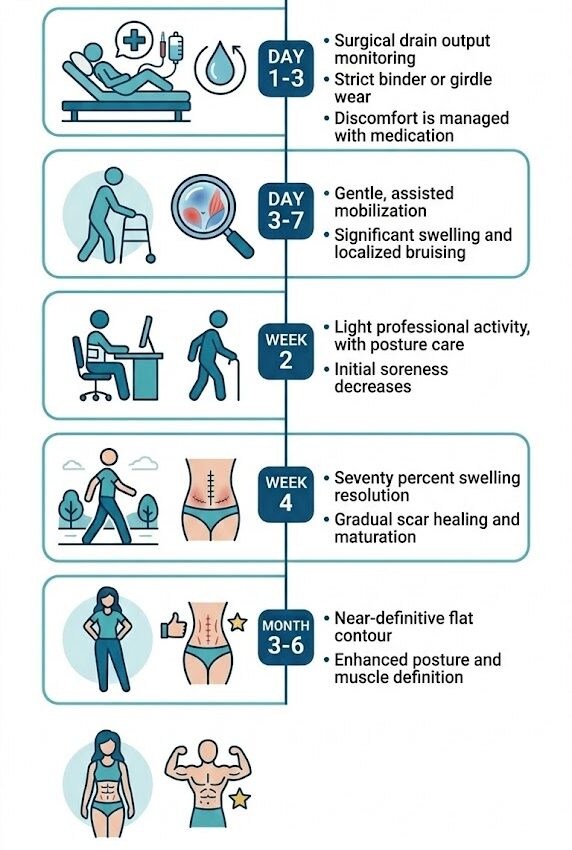
Hospitalization with drainage and multimodal analgesia
Drain removal, moderate pain with mobilization
Dressing removal, first shower authorized
Light domestic activity resumption
Work return according to physical intensity required
Complete edema resolution and definitive result
Abdominoplasty offers permanent results once weight remains stable. Skin resection definitive. Plicature restores parietal function. Women report posture improvement and low back pain disappearance. Flat belly aesthetic red gives clothing and intimacy confidence.
Dr Ben Naceur Radhi developed post-pregnancy parietal surgery expertise. Diastasis repair training allows obtaining functional and aesthetic results.
• Mastery of extended muscular plicature techniques
• Umbilical vascularization preservation
• Rigorous thrombo-embolic prophylaxis management
• Individualized approach according to parietal anatomy
Abdominoplasty in Tunisia constitutes major reparative and aesthetic surgery. Dr Ben Naceur Radhi proposes modern techniques restoring abdominal wall function and appearance. Patients regain flat, toned, harmonious belly.
Discomfort significant first days. Intense tension sensation dominates. Multimodal analgesia necessary one week.
Return possible at three to four weeks for sedentary activities. Physical employment requires six to eight weeks.
Hidden in sub-cutaneous fold, concealable by underwear. Fades progressively over twelve to eighteen months.
Yes, but pregnancy may alter result by new distension. Ideally performed after final pregnancy.
Yes, if weight remains stable. Excised skin does not regrow. Major weight gain may distend remaining wall.
Often yes, to refine flanks and waist. Dr Ben Naceur Radhi determines association according to morphological analysis.
Rarely. Intraoperative autotransfusion sometimes necessary for extended abdominal belts.
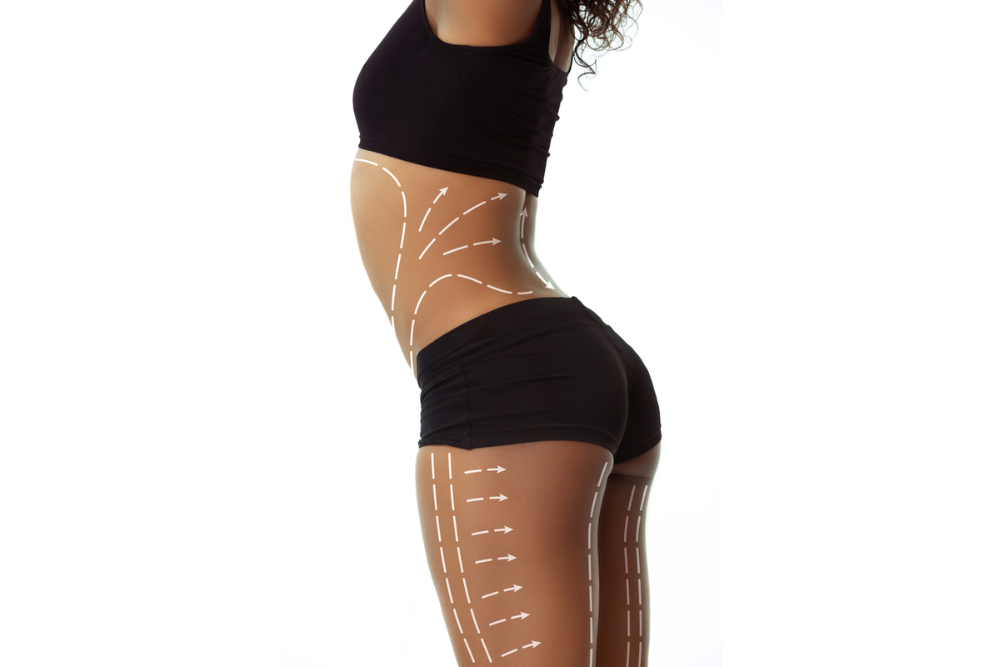
A procedure designed to correct significant skin laxity and tighten tissues after major weight loss.
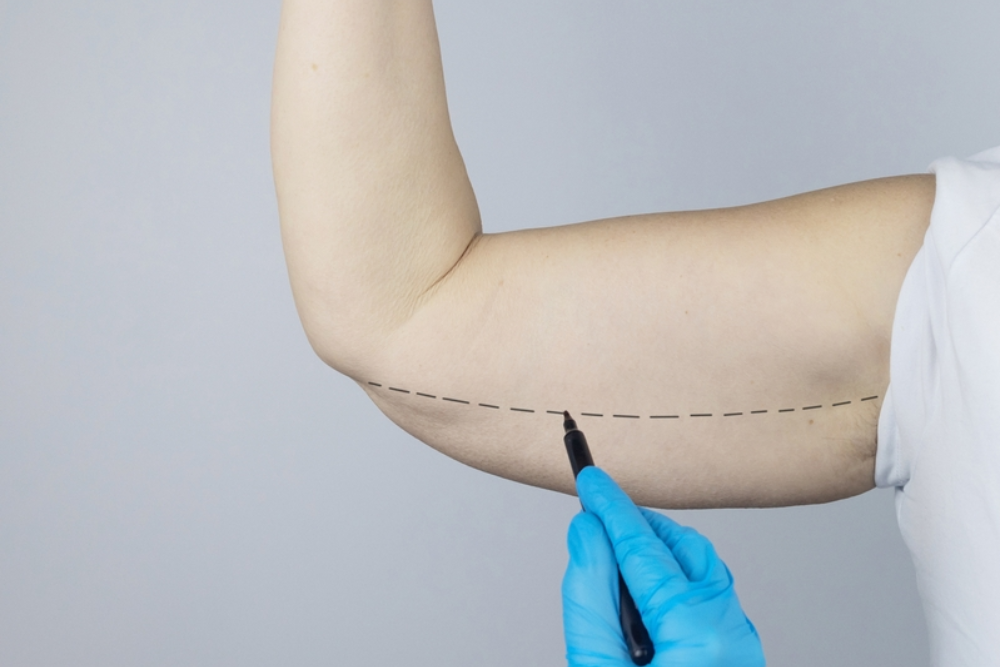
A procedure to correct sagging skin on the arms in order to improve their shape and tone.

A specialized procedure aimed at treating pathological fat accumulation in the lower limbs.
We place experience, medical rigor, and technical precision at the service of safe and personalized care.

