

A facelift is a surgical procedure that rejuvenates the face by repositioning deep tissues, removing excess skin, and restoring a naturally youthful contour. It addresses sagging cheeks, blurred jawlines, and neck laxity.
Dr. Ben Naceur Radhi uses modern deep-plane techniques to ensure natural results that respect facial anatomy. The approach combines skin redraping with underlying SMAS suspension and, when needed, fat grafting to restore lost volume.
Ideal candidates have moderate to advanced skin laxity with sufficient elasticity, are in good health, and maintain realistic expectations. Smoking cessation and absence of uncontrolled chronic conditions are required for safe surgery.
Facelift procedures are performed under general anesthesia with carefully hidden incisions in natural creases. Recovery progresses from initial post-surgical care to social reintegration within two to three weeks, with final results visible over three to six months.

The face undergoes progressive changes due to gravity, volume loss, and skin quality alteration. These changes settle in gradually. Nasolabial folds deepen. The jawline blurs. The neck develops horizontal laxity. The facelift in Tunisia offers lasting correction of these stigmata. Dr Ben Naceur Radhi masters modern deep plane repositioning techniques, guaranteeing natural and durable results. The refined face appears rested, not windswept.
Patients pursue facelift for varied motivations. Some notice growing misalignment between their inner vitality and external appearance. The mirror reflects chronic fatigue that sleep no longer dispels. Others wish to maintain a professional image consistent with their competencies. Cervical laxity sometimes generates functional discomforts.
The ideal candidate presents moderate to advanced skin laxity with sufficient remaining elasticity. Chronological age matters less than biological condition. The forties to sixties represent the optimal window, though younger or older patients may benefit.
Dr Ben Naceur Radhi evaluates skin quality, subcutaneous fat thickness, and underlying bone density. These factors determine the most appropriate surgical technique.
The initial evaluation lasts sixty to eighty minutes. Dr Ben Naceur Radhi analyzes facial aging in its entirety. He distinguishes cutaneous, fatty, muscular, and skeletal components. This decomposition allows precise targeting of planes requiring intervention.
Standardized photographs document the initial state. The personalized operative plan emerges from this thorough exchange.
Dr Ben Naceur Radhi performs facelifts in accredited hospital facilities. General anesthesia ensures optimal comfort for three to five hour procedures. Modern approach prioritizes deep plane repositioning over simple skin traction. This method offers superior durability and avoids the pulled appearance.
Associated fat grafting restores lost volume to cheeks and midface. This structure-volume combination optimizes overall results.
General anesthesia is systematic for complete facelifts. The anesthesiologist monitors vital parameters continuously. Duration varies from three hours for mini-facelift to five hours for extended cervico-facial lifting with fat grafting.
Facelift incisions are strategically placed to minimize visibility. The temporal follows the hairline. The retro-auricular borrows the posterior ear sulcus. The sublobular scar remains hidden by natural shadow. Scar quality depends on local vascularization and absence of tension. Dr Ben Naceur Radhi applies closure techniques without excessive tension, ensuring fine, discreet marks long-term.
Facelift carries specific risks worth understanding.
Cutaneous complications include skin necrosis, favored by smoking, and rare hypertrophic scarring.
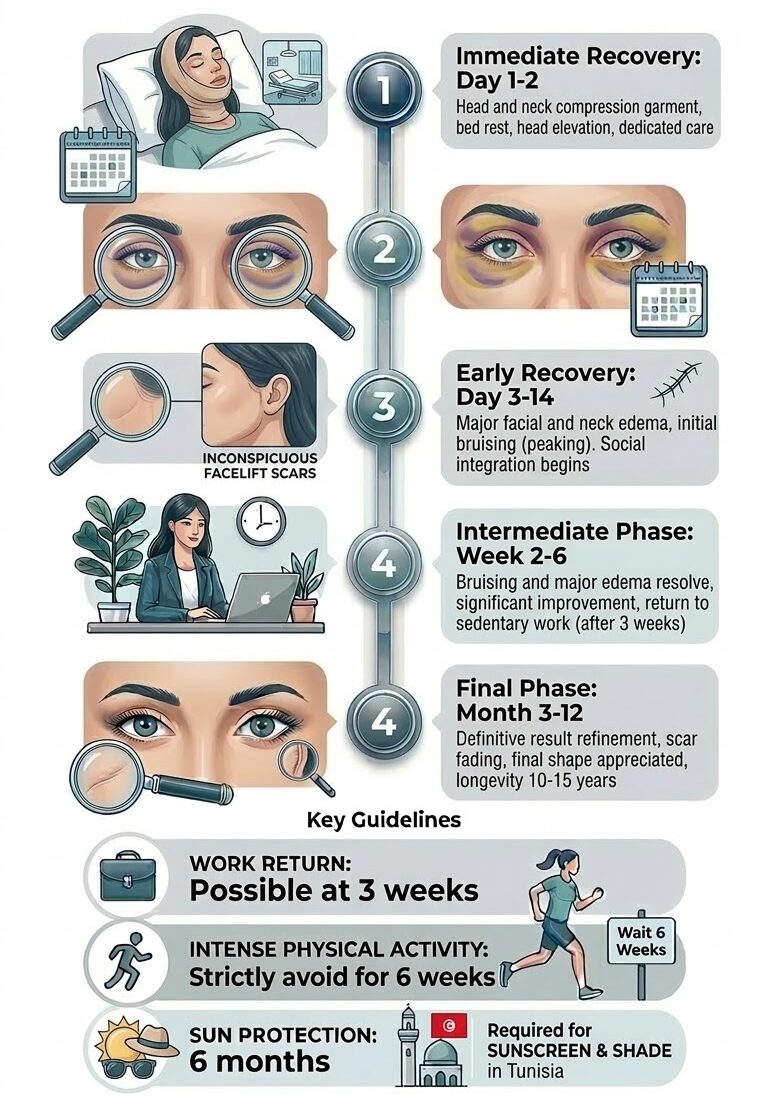
Surgical facility recovery
Splint removal, suture removal, social reintegration
Seventy percent edema resolution
Progressive refinement and near-definitive result appreciation
Facelift results are permanent structural modifications. Deep tissue repositioning ensures ten to fifteen year longevity. The result appears natural as it respects physiological anatomical vectors. Patients report improved self-image and greater social ease. Absence of skin tension avoids the criticized frozen appearance of older techniques.
Dr Ben Naceur Radhi developed specific expertise in cervico-facial surgery. Continuous training allows mastery of technical evolutions, particularly deep plane suspension and structure-volume associations.
The facelift in Tunisia constitutes a major rejuvenation intervention requiring technical expertise and aesthetic sensibility. Dr Ben Naceur Radhi proposes a modernized approach, far from past excesses, prioritizing naturalness and durability. Properly selected and informed patients achieve coherent facial harmony matching their inner energy.
Discomfort is moderate and controlled with adapted analgesics. Cervical pressure sensation dominates rather than sharp pain during early days.
Major swelling resolves in six weeks. Subtle refinement continues twelve to eighteen months. The face reveals its final shape gradually.
Incisions are hidden in natural creases. At six months, they become imperceptible in vast majority of cases.
Professional return possible at three weeks for sedentary activities. Public-facing professions sometimes require four weeks.
Ten to fifteen year longevity. The face continues aging naturally but from a rejuvenated base.
Yes, after ten to fifteen years when aging progresses significantly.
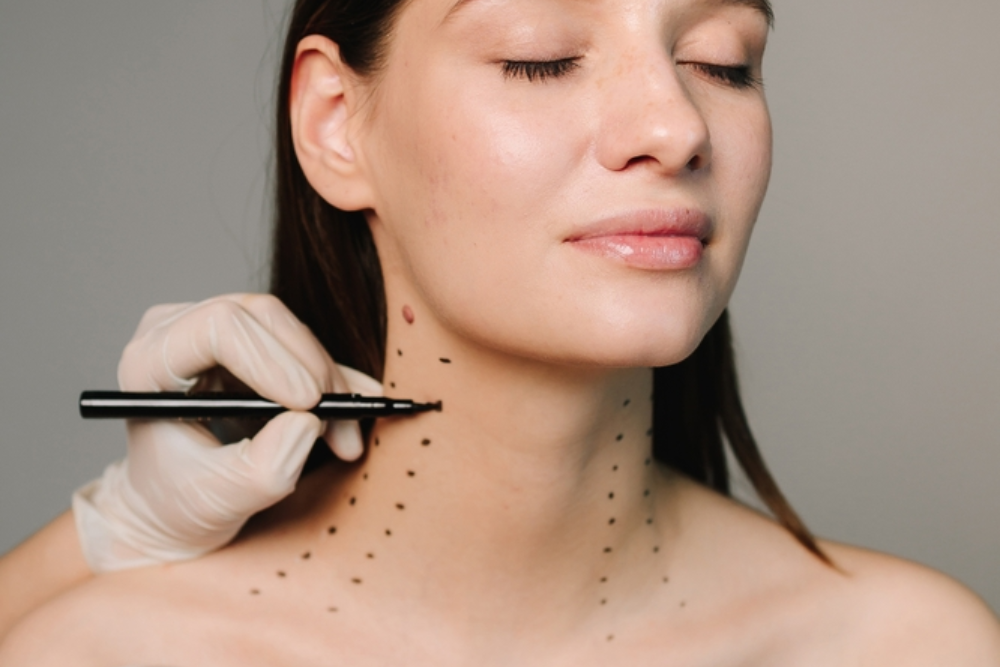
A procedure designed to correct skin and muscle laxity of the neck and redefine the cervico-mental angle.
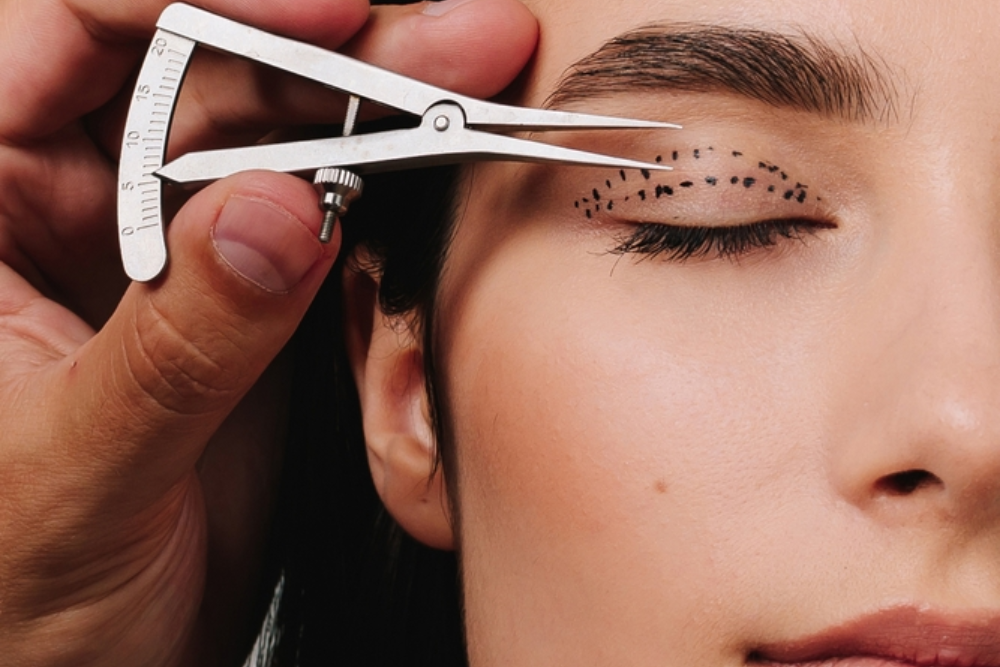
Eyelid surgery to correct excess skin and under-eye bags, resulting in a more youthful and refreshed look.
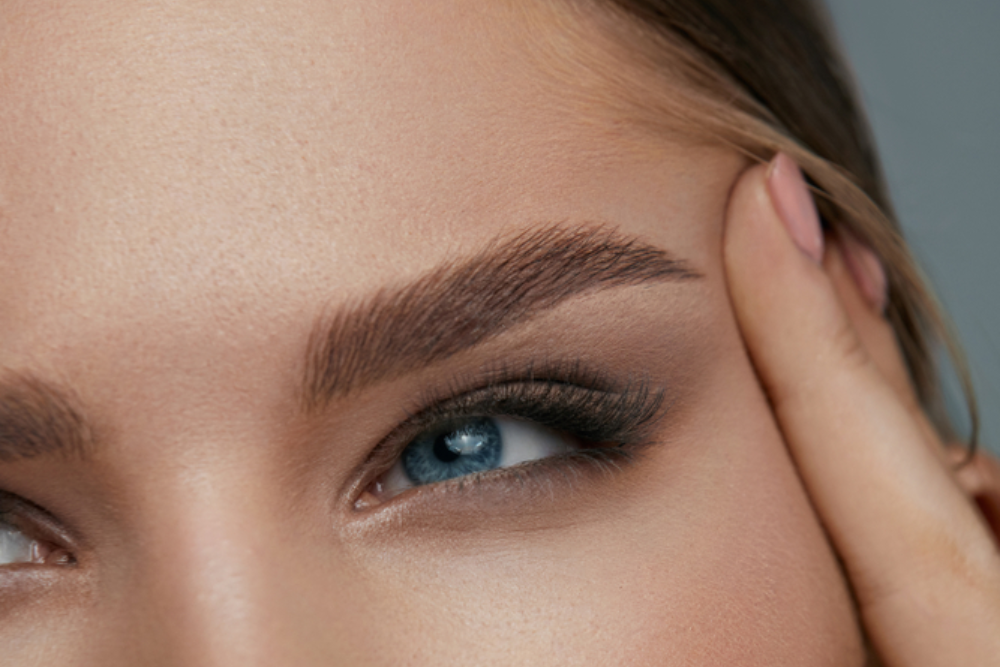
A procedure to reposition the eyebrows and correct sagging, opening and brightening the eyes.
We place experience, medical rigor, and technical precision at the service of safe and personalized care.

