

Rhinoplasty is a surgical procedure that reshapes the nose to improve both appearance and function. It can correct dorsal humps, tip irregularities, asymmetry, or issues caused by trauma while maintaining natural facial balance.
Dr. Ben Naceur Radhi approaches each case individually, considering nasal bone structure, cartilage flexibility, and skin thickness to achieve precise and harmonious results. This anatomy-based method ensures both aesthetic and functional improvements.
Ideal candidates are in good health, have completed nasal growth, and possess realistic expectations. Functional issues like breathing difficulties can be addressed simultaneously with cosmetic refinements for dual benefits.
The procedure can be performed using a closed or open approach, with careful surgical planning to minimize visible scars. Recovery is gradual, with most patients resuming normal activities within two weeks, while full results and subtle refinements develop over several months.

The nose sits dead center on your face. Its proportions influence everything around it. When nasal structure drifts from facial balance, the effect is subtle yet persistent. Some patients want that dorsal hump gone. Others need tip refinement or asymmetry correction after trauma. Rhinoplasty addresses these concerns through meticulous structural modification.
In Tunisia, this procedure has reached genuine sophistication. Dr Ben Naceur Radhi treats each case as unique architectural work. No two noses share identical bone density, cartilage flexibility, or skin thickness. Understanding these variables determines surgical success.
Patients pursue rhinoplasty for diverse reasons. Functional impairment represents one pathway. A deviated septum restricts airflow. Chronic congestion fails to respond to medical management. Turbinate hypertrophy complicates breathing. Correcting these issues simultaneously with aesthetic refinement produces dual benefit.
Cosmetic concerns drive other consultations. The nasal bridge appears disproportionately prominent in profile. The tip lacks definition or droops with animation. Wide alar bases create facial width perception. Previous trauma left visible irregularities. Age-related changes altered nasal support.
Whatever the origin, dissatisfaction with nasal appearance affects self-perception. Patients report avoiding photographs. Some develop habitual angles in conversation to minimize profile exposure. The decision to pursue surgery emerges from prolonged consideration. It represents investment in alignment between external appearance and internal identity.
Ideal candidates demonstrate physical and psychological readiness. Nasal growth must be complete. This typically occurs by age sixteen in females, eighteen in males. Younger patients require careful evaluation of emotional maturity. Stable health status enables safe anesthesia. Uncontrolled hypertension, bleeding disorders, or active autoimmune conditions necessitate postponement.
Smokers must commit to cessation four weeks before and after surgery. Nicotine compromises microvascular circulation essential for healing. Realistic expectations distinguish appropriate candidates. Rhinoplasty refines existing structure rather than creating entirely new anatomy. Thick oily skin limits tip definition regardless of surgical skill. Thin skin reveals minor irregularities more readily.
Patients must understand these biological constraints. Those seeking perfection or dramatic celebrity replication rarely achieve satisfaction. The best candidates articulate specific concerns. They trust surgical judgment regarding achievable improvement. They accept trade-offs inherent in structural modification.
Dr Ben Naceur Radhi dedicates ninety minutes to initial evaluation. This unhurried approach allows comprehensive assessment. Medical history explores previous nasal trauma, surgeries, and breathing difficulties. Medication review identifies blood thinners, herbal supplements, or hormonal therapies requiring adjustment.
Physical examination follows. External palpation reveals cartilage strength and skin quality. Internal inspection with speculum evaluates septal position, turbinate size, and valve competence. Photographic documentation captures frontal, lateral, oblique, and basal views. Computer imaging assists communication.
Dr Ben Naceur Radhi modifies digital photographs to illustrate potential outcomes. This tool clarifies patient desires and establishes realistic parameters. It does not guarantee results. Surgical planning proceeds from these discussions. Open versus closed approach is selected. Graft requirements are anticipated. Cartilage harvest sites are identified if autologous material proves necessary.
Preoperative laboratory studies ensure hematologic and metabolic fitness. Instructions regarding aspirin cessation, fasting protocols, and postoperative arrangements are provided in writing.
Rhinoplasty demands three-dimensional spatial reasoning. Dr Ben Naceur Radhi performs these procedures in accredited surgical facilities with full anesthesia support. The approach selection depends upon complexity requirements. The closed technique conceals all incisions within the nostrils. This limits exposure but suits straightforward modifications.
The open approach places a small incision across the columella, the tissue strip separating the nostrils. This provides direct visualization of the nasal framework. Complex tip work, revision cases, and significant structural grafting benefit from this exposure.
• The skin envelope is elevated from underlying cartilage and bone
• The septum is addressed if deviation exists
• Straightening improves both function and aesthetic alignment
• The dorsal hump is reduced through rasping of bone and shaving of cartilage
• Precision prevents over-resection and subsequent saddle deformity
• Osteotomies, controlled bone fractures, narrow the nasal bones
• Medial and lateral cuts allow repositioning toward the midline
• Tip refinement involves cartilage reshaping rather than removal
• Suture techniques create definition and projection
• Shield grafts, spreader grafts, or columellar struts provide structural support when native cartilage proves insufficient
• Auricular cartilage or rib cartilage serves as graft material in advanced cases
• Closure proceeds in meticulous layers
• External splint application maintains new positioning during initial healing
General anesthesia ensures patient comfort and surgeon concentration. Modern anesthetic agents allow rapid emergence with minimal postoperative nausea. The anesthesiologist monitors cardiac, respiratory, and neurological parameters continuously. Local anesthetic infiltration with vasoconstrictors reduces intraoperative bleeding. Improved visibility enhances surgical precision. Total intravenous techniques avoid inhalational agents in sensitive individuals. Anesthesia duration typically ranges two to three hours depending upon complexity.
Primary rhinoplasty requires two to three hours. Revision procedures, significant structural grafting, or combined functional corrections may extend to four hours. Dr Ben Naceur Radhi refuses to compromise meticulous technique for speed. The additional time invested in precise graft placement and symmetry verification reduces revision likelihood.
Closed rhinoplasty leaves no visible external scars. The open approach produces a small transverse columellar incision. This measures approximately five millimeters. Proper execution places the scar at the narrowest columellar point. Healing typically renders this mark virtually imperceptible within six to twelve months. Internal incisions heal without visible trace. Patients concerned about discretion should understand that initial splint and bandaging attract attention. Social withdrawal for ten to fourteen days preserves privacy during this phase.
Every surgical procedure carries inherent risk. Rhinoplasty complications range from minor to significant. Bleeding occurs in three to five percent of cases. Most resolve spontaneously or require simple nasal packing. Infection is rare given the nasal region’s robust blood supply. Prophylactic antibiotics further minimize this risk.
Asymmetry represents the most common aesthetic concern. Perfect symmetry neither exists naturally nor results surgically. Minor irregularities may require revision after one year. Breathing obstruction can develop if support structures are compromised. Graft resorption or displacement alters projection over time.
Skin complications include prolonged edema, especially in thick-skinned patients. Rarely, skin necrosis threatens graft survival. Anesthetic risks include allergic reactions, respiratory complications, or cardiovascular events. Dr Ben Naceur Radhi’s patient selection and surgical environment minimize these probabilities. Comprehensive informed consent addresses each possibility without creating undue anxiety.
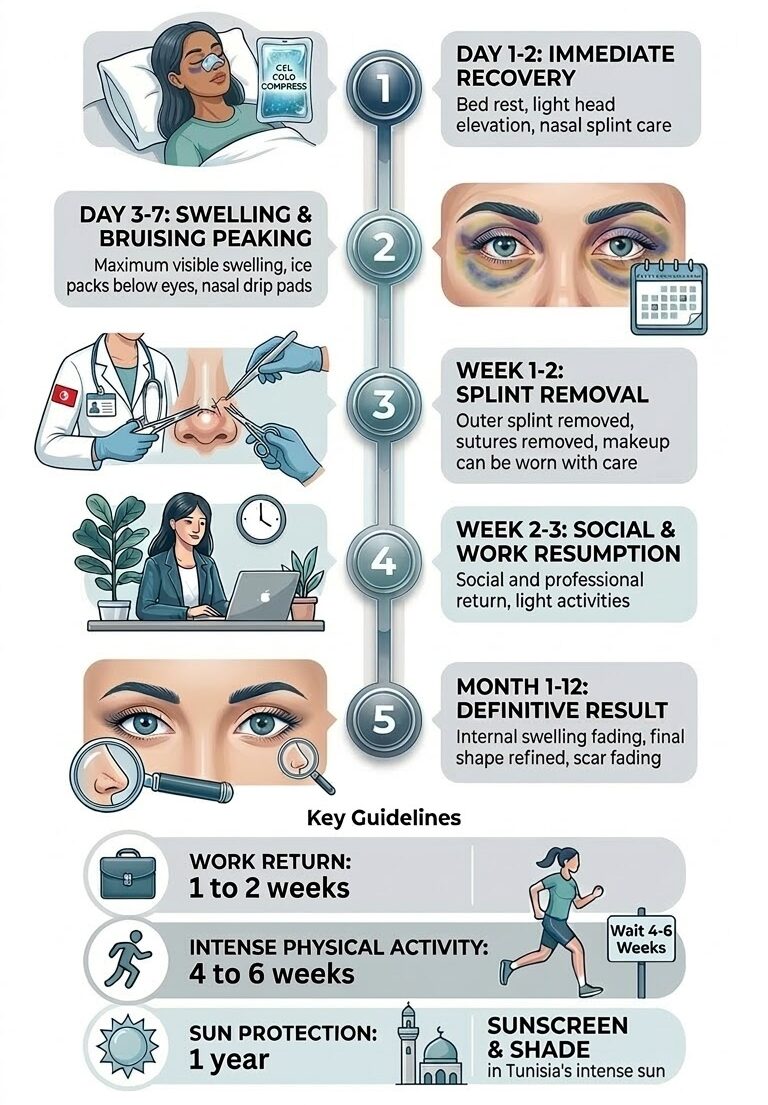
Immediate recovery occurs in the surgical facility until anesthesia clears. Discharge follows with detailed instructions and emergency contact information. The first forty-eight hours involve maximum discomfort. Prescription analgesics manage pain effectively. Most patients describe pressure rather than sharp pain. Cold compresses reduce swelling and bruising. Head elevation, even during sleep, facilitates drainage.
The external splint remains intact for seven days. Internal splints, if placed for septal support, are removed at the same appointment. Suture removal occurs five to seven days postoperatively. Bruising peaks at seventy-two hours, then resolves progressively. Most discoloration fades within ten to fourteen days.
Swelling follows a different timeline. Sixty percent resolves within six weeks. The remainder subsides gradually over twelve to eighteen months. This explains why final nasal definition emerges slowly. Patients often experience emotional fluctuation during this waiting period.
Social reintegration typically occurs at two weeks for desk work. Strenuous activity avoidance extends to four weeks. Contact sports prohibition continues for three months. Sun protection prevents pigmentation changes in healing skin. Nasal massage protocols begin at three weeks if indicated. Follow-up appointments track healing at one week, one month, three months, six months, and one year.
Rhinoplasty results are permanent structural modifications. The nose continues aging with the face. Skin quality changes, and subtle soft tissue redistribution occurs over decades. However, the underlying architectural changes persist. Patient satisfaction rates exceed eighty-five percent at five-year follow-up. Those maintaining realistic expectations report highest contentment.
Functional improvements in breathing quality often surpass aesthetic satisfaction. The psychological impact extends beyond mirror reflection. Patients report enhanced confidence in professional and social contexts. They no longer experience preoccupation with nasal appearance. This liberation from self-consciousness represents profound quality-of-life improvement.
Dr Ben Naceur Radhi completed specialized training in facial plastic surgery following general plastic surgery certification. His practice focuses exclusively upon aesthetic and reconstructive facial procedures. This concentration develops refined technical skills and aesthetic judgment. He performs approximately one hundred fifty rhinoplasties annually. This volume maintains surgical proficiency without compromising individualized attention.
His approach balances artistic vision with structural engineering principles. He rejects standardized outcomes. Each surgical plan addresses individual facial proportions, skin characteristics, and patient desires. His facility maintains international accreditation standards. Equipment, sterilization protocols, and emergency preparedness meet rigorous criteria.
Postoperative accessibility distinguishes his practice. Patients have direct communication channels for concerns during recovery. Revision policies are clearly articulated before surgery. This transparency builds trust essential for the surgeon-patient relationship.
Rhinoplasty represents one of plastic surgery’s most technically demanding procedures. Success requires anatomical knowledge, surgical precision, and aesthetic sensibility. In Tunisia, patients access this sophisticated care with Dr Ben Naceur Radhi. The journey from consultation through final healing demands patience and partnership. Those approaching surgery with education and realistic expectations achieve transformative yet natural results. The refined nose appears not operated upon, but finally harmonious with the face it centers.
Most patients describe pressure and congestion rather than significant pain. Prescription analgesics manage discomfort effectively during the first seventy-two hours. The sensation resembles severe nasal congestion from a cold.
Major swelling resolves within six weeks. Subtle refinement continues for twelve to eighteen months. The nose reveals its final shape gradually. Patience during this process is essential.
Closed rhinoplasty leaves no external scars. The open approach produces a small columellar mark that typically becomes imperceptible. Strategic placement and meticulous closure minimize visibility.
Desk work resumes at ten to fourteen days when bruising resolves. Jobs requiring physical exertion necessitate three to four weeks absence. Remote work options may allow earlier professional re-engagement.
Structural changes are permanent. The nose ages naturally with the face. Gravity and skin changes produce subtle evolution over decades, but the surgical modifications persist.
Approximately ten to fifteen percent of patients seek minor refinement after one year. Major revisions are less common. Dr Ben Naceur Radhi’s meticulous technique and conservative approach minimize this necessity.
If septal deviation or turbinate hypertrophy is corrected, breathing improves significantly. Purely cosmetic modifications should not compromise function. Preoperative assessment determines functional components.
Dr Ben Naceur Radhi provides digital imaging during consultation. These illustrations facilitate communication about goals. They represent artistic projections rather than guarantees. Final results depend upon healing factors beyond surgical control.
Walking resumes immediately. Light cardio begins at three weeks. Resistance training and swimming return at four weeks. Contact sports require three months avoidance to prevent injury to healing structures.
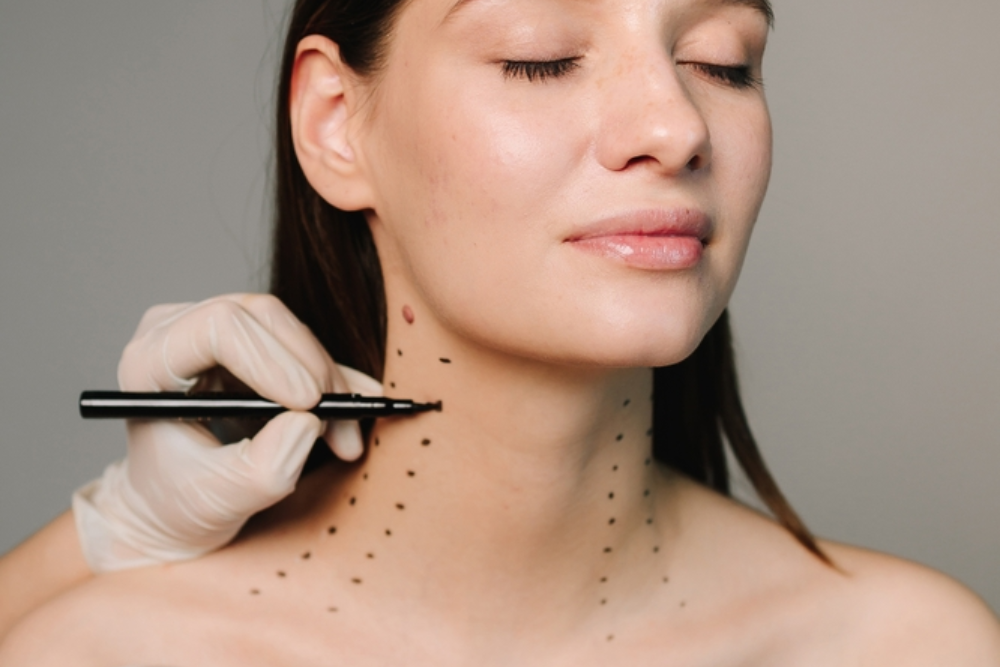
A procedure designed to correct skin and muscle laxity of the neck and redefine the cervico-mental angle.
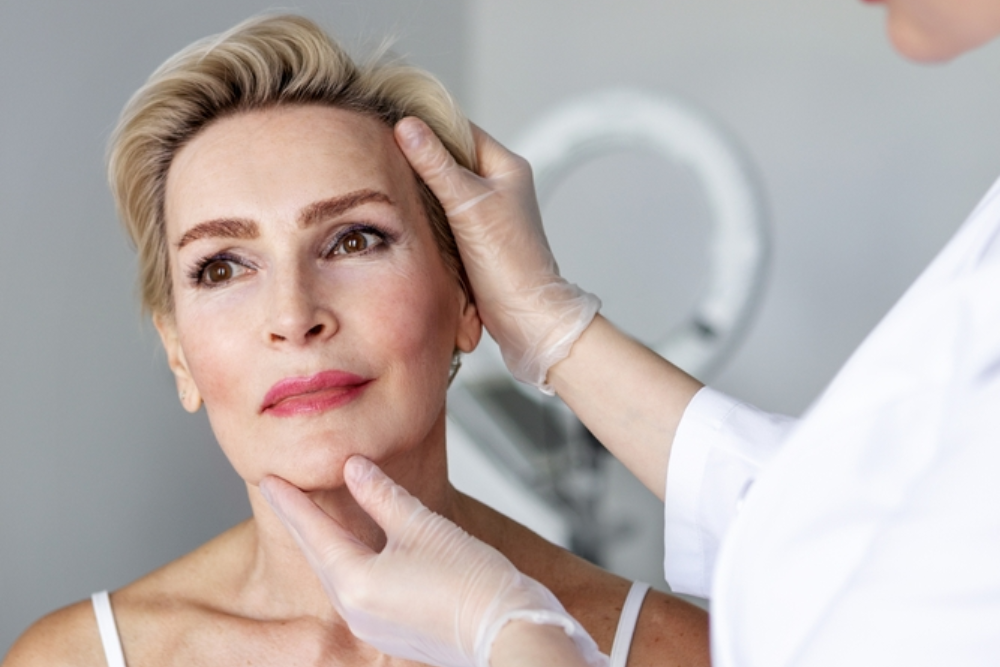
A surgical procedure that repositions sagging tissues to restore the natural contours of the face.

A procedure to reposition the eyebrows and correct sagging, opening and brightening the eyes.
We place experience, medical rigor, and technical precision at the service of safe and personalized care.

