
An eye brow lift is a surgical procedure that corrects drooping brows, improving the appearance of a tired or severe expression and enhancing eyelid openness. It repositions upper facial tissues to restore a refreshed, natural gaze.
Dr. Ben Naceur Radhi uses endoscopic or direct techniques depending on anatomy and tissue laxity. His approach respects natural facial harmony, ensuring brow position and expression remain balanced while minimizing visible scars.
Ideal candidates have isolated brow sagging without major frontal skin excess, good skin elasticity, and realistic expectations. Typical patients range from 35 to 55 years old, with minimal temporal hair loss to allow incision concealment.
The procedure is performed under sedation or general anesthesia. Recovery is rapid: patients resume social and professional activities in 10–14 days, with full brow movement restoration over 1–3 months. Results last 5–8 years, maintaining a natural, open, and harmonious gaze.

Brow drooping profoundly alters facial expression. The eye appears tired, sometimes severe, while the actual state of mind differs. This gradual descent of frontal tissues often represents the first visible sign of upper facial aging. The brow lift in Tunisia offers targeted, lasting correction. Dr Ben Naceur Radhi masters endoscopic and direct approaches, adapting technique to each morphology.
Patient motivations concern both functional and expressive aspects of the gaze. Descending brows reduce palpebral space, giving the impression of heavy eyelids. Some women develop unconscious habits of raising their brows using the frontal muscle, creating premature horizontal wrinkles.
• Low brow position masking the upper eyelid
• Tired or severe appearance not reflecting emotional state
• Deep frontal wrinkles from muscular compensation
• Post-traumatic or constitutional brow asymmetry
The ideal candidate presents isolated brow laxity without major frontal skin excess. Sufficient cutaneous elasticity permits use of minimally invasive endoscopic techniques. Typical age ranges thirty-five to fifty-five years.
• Absent or moderate temporal alopecia to hide incisions
• Absence of advanced baldness for coronal approach
• Understanding that results must respect ethnic harmony
• Realistic motivation without absolute perfection seeking
Dr Ben Naceur Radhi evaluates ideal brow position according to classical anatomical landmarks: tangent line from upper brow border passing through zygomatic bone in women, slightly lower in men.
Evaluation lasts forty-five to sixty minutes. Dr Ben Naceur Radhi analyzes frontal statics and dynamics. He observes rest then expression to distinguish structural laxity from compensatory hyperactivity.
• Current and desired brow height
• Quality of subcutaneous tissue and skin mobility
• State of temporal and frontal hair
• Possible associated upper eyelid ptosis
Standardized photographs compare rest and voluntary elevation. Manual simulation by the practitioner appreciates potential results.
Dr Ben Naceur Radhi prefers endoscopic approach for its discretion and rapid recovery. General anesthesia or deep sedation depending on procedure extent.
• Incisions: three to five short temporal and frontal accesses of one centimeter within scalp
• Dissection: sub-periosteal under video endoscopic control
• Release: of ligamentous insertions fixing the brow
• Suspension: by resorbable anchors or mini-screws to skull
• Closure: invisible points within hair
Direct approach through supra-brow or coronal incision reserved for cases with major frontal skin excess or advanced baldness.
Anesthesia varies by technique. Endoscopy performed under intravenous sedation or light general. Open approach requires classic general. Duration ranges sixty to ninety minutes for endoscopy, up to two hours for direct techniques.
Endoscopy leaves tiny scars hidden within scalp, totally invisible after hair regrowth. Direct supra-brow approach places scar just above brow, masked by brow hair. Coronal technique hides incision within hair continuity. Social discretion is rapid. Frontal bandaging discreetly concealed by cap or scarf. Frontal edema less marked than with complete facelift.
Brow lift carries specific risks worth understanding.
• Frontal territory paresthesia, temporary, resolving in three to six months
• Frontal nerve paralysis, rare, generally reversible
• Excessive elevation creating permanent surprised appearance
• Residual asymmetry despite intraoperative control measures
• Temporary alopecia around incisions, often resolving
Frontal brow movement recovery progresses over three to six months.
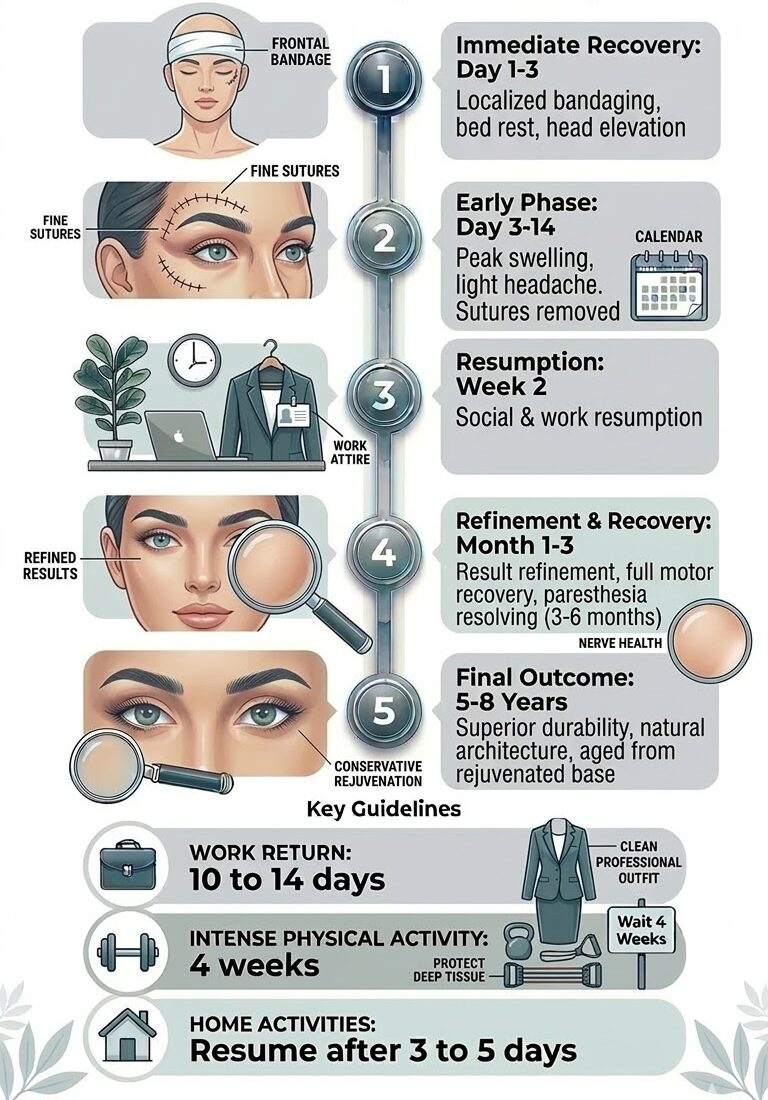
Frontal edema and possible light headache
Bandage and resorbable suture removal
Social and professional activity resumption
Result refinement and complete motor recovery
Brow lift offers five to eight year durability depending on tissue quality. Sub-periosteal repositioning ensures superior holding compared to older cutaneous techniques. Results transform gaze expression. Increased palpebral opening gives impression of vivacity and accessibility. Compensatory frontal wrinkles fade naturally. Overall appearance remains natural as repositioning respects physiological anatomical vectors.
Dr Ben Naceur Radhi developed specific expertise in endoscopic frontal surgery. Training in minimally invasive techniques allows offering adapted approaches for each patient.
The brow lift in Tunisia constitutes a targeted upper facial intervention offering transformative impact on overall expression. Dr Ben Naceur Radhi proposes modern techniques combining scar discretion and result naturalness. Patients regain an open, harmonious gaze consistent with their actual personality.
Discomfort is mild to moderate. Frontal tension sensation dominates early days. Prescribed analgesics ensure sufficient comfort.
Return possible at ten to fourteen days. Home activities resume after three to five days.
Endoscopy leaves invisible marks within scalp. Direct techniques hide scars within brow hairs or hairline.
Modern sub-periosteal approach avoids surprised appearance. Repositioning respects natural brow architecture.
Five to eight years depending on tissue quality. Aging continues but from rejuvenated brow position.
Upper blepharoplasty frequently combined. Dr Ben Naceur Radhi determines combination opportunity according to upper third analysis.
Frontal brow motor recovery progresses over three months. Lasting paralysis is exceptional.
No. Endoscopic incisions made within scalp without prior shaving necessary.
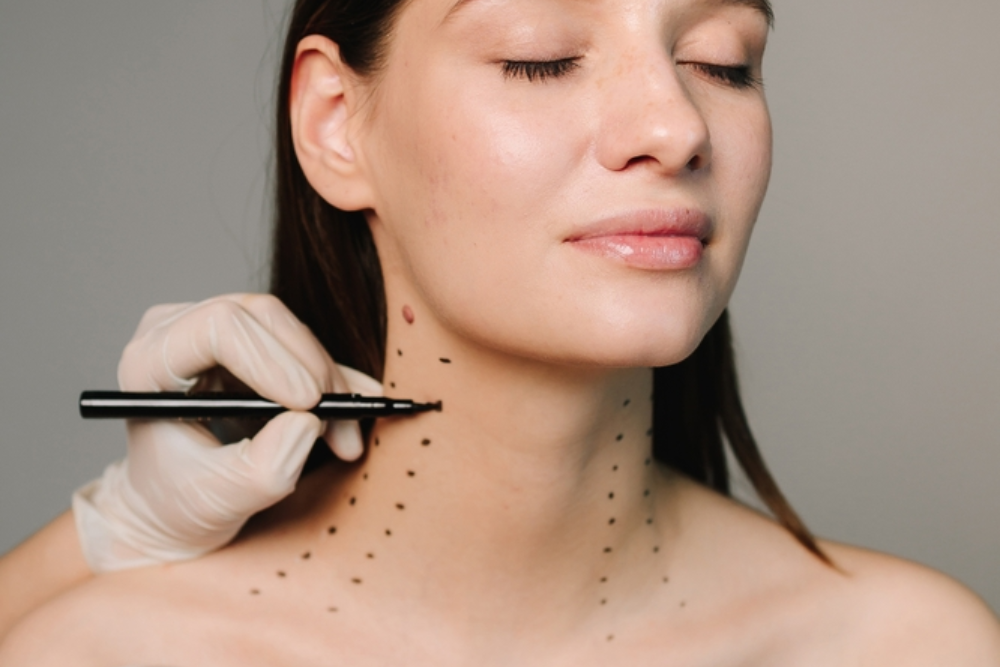
A procedure designed to correct skin and muscle laxity of the neck and redefine the cervico-mental angle.
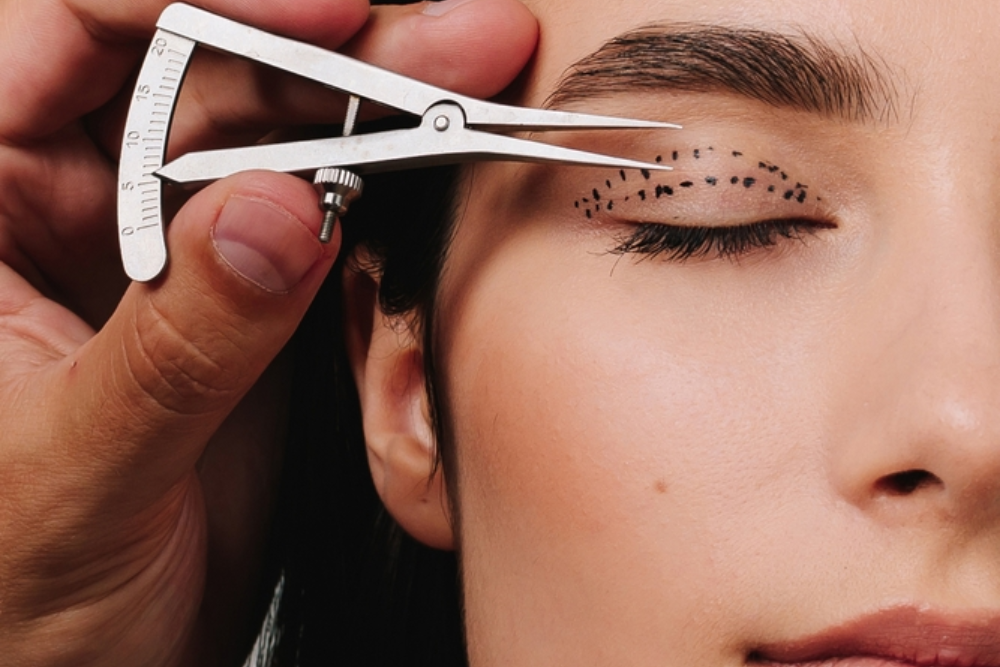
Eyelid surgery to correct excess skin and under-eye bags, resulting in a more youthful and refreshed look.
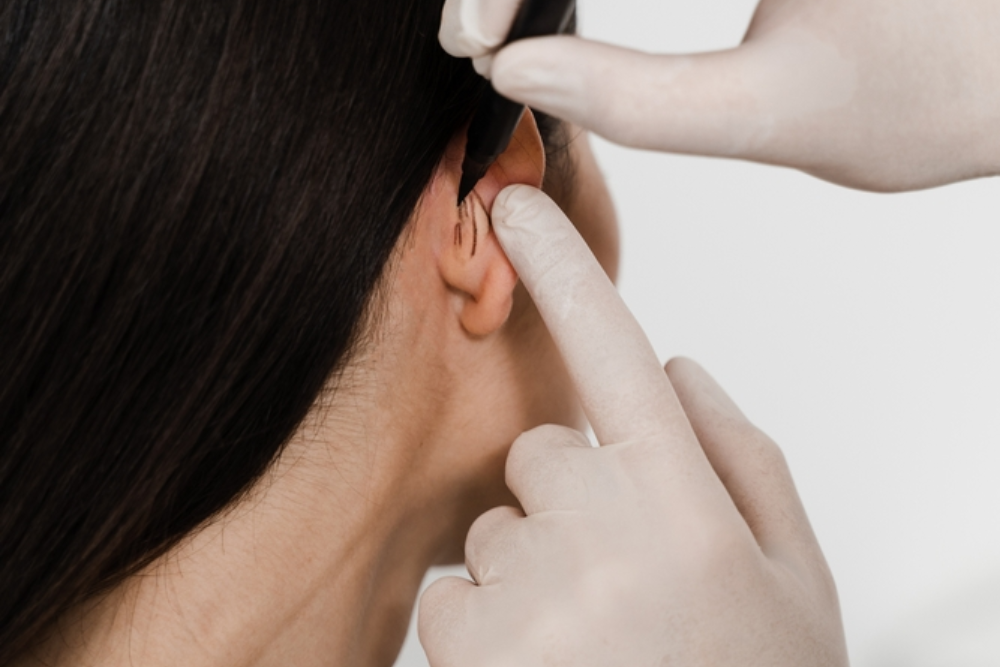
Ear surgery to correct protruding ears and restore a more balanced and natural appearance.
We place experience, medical rigor, and technical precision at the service of safe and personalized care.

